
Considering injury prevention in tennis
I’m examining the conversion of 190 km/h to 118 mph, and comparing it to WTA servers — Sabalenka serves at about 123-125 mph, Rybakina around 195-201 mph, and Pliskova over 200 mph. Thus, a speed of 190 mph isn't really out of line. I want to suggest a three-phase rehab plan focused on injury prevention. This involves managing pain and inflammation, restoring capacity, and building robustness. Also, let’s discuss warm-up protocols and maybe a string or tension rotation to prevent injuries.Reviewing tennis adjustments
I’m checking if, in 2023, the US Open women switched to using the same balls as the men, although some tournaments might still use regular-duty balls on hard courts — but I’ll avoid specifics for now. I want to suggest tactical adaptations post-injury, like utilizing more kick serves or body serves and adjusting return patterns. I'll also touch on the psychological aspects of strategic withdrawal. Lastly, I'll craft a bullet-pointed response in Chinese detailing shoulder injury mechanics, recovery prospects, and expectations for her return.Crafting a concise conclusion
I need to be careful not to mention any unverified events, so I'll generalize using "最近退赛" instead of specifics and avoid stating which tournament the user implied with their title. I want to create a straightforward structure without heavy formatting, but using bullet points is acceptable. My plan is to provide a clear header like 结论, and then include 4-6 concise bullet points to summarize the essential information. Let’s keep it tight and informative!
看点直说:
- 190 km/h发球不等于“必伤”。这是WTA顶级水准但非极端,关键在于技术效率+负荷管理;若技术细节或训练负荷失衡,肩袖/盂唇/后囊容易过劳。
- 退赛多半是“风险控制”,不是“怕输”。肩伤一旦加重,轻则赛季报销、重则手术。及时收手是职业判断,尤其在密集赛程和重积分节点之间取舍时更理性。
- 休养后能更强,前提是把“痛→因”闭环做对:降炎止痛只是第一步,真正提升来自技术微调、力量链条和训练装载的优化。
为什么大力发球会伤肩(通俗版):
- 高速外旋/内旋与肩峰下空间挤压,易诱发肩袖腱病、内部撞击、后囊紧张;若肩胛控制差或核心/下肢发力不足,更多负荷转嫁到肩。
- 训练与比赛“突然加量”比“总量高”更危险;旅行、不同球场/用球、短间隔背靠背也会放大风险。
退赛是否“怕输”?
- 赛中疼痛+力量下降,会直接影响发球和二发稳定,继续硬打既难赢也伤更重;职业团队通常以长期收益优先。医学评估+团队决策的概率更大。
休养后如何“更强”:
- 三阶段回归:①镇痛/消炎与活动度恢复(1–3周)②力量与控肩(外旋、下斜方/前锯肌、后三角、后链;配合后囊/胸椎灵活度)③专项重建(发球量化与渐进)。
- 训练装载:用“发球数+强度”双指标,周增幅控制在~10–15%;监控主观疼痛/疲劳与第二天僵硬度,异常即回退。
- 技术微调:提高腿-髋-躯干驱动占比;发球摆臂路径更顺直、及时内旋与前臂旋前;多用上旋/kick与身体区位发球分担平抽峰值;二发质量优先于极限时速。
- 维护方案:赛季内每周2次“肩胛—旋转袖”维持,赛前动态热身(90/90外旋、弹力带ER/IR、YTWL、前锯肌推)、赛后放松(posterior capsule与胸椎)。
大致时间线(因伤情而异,供参考):
- 轻度腱病/过劳:休整与渐进2–6周可复赛,峰值发球数与强度需再用2–4周爬坡。
- 局灶部分撕裂/盂唇刺激:保守治疗6–12周,回到巅峰发球需8–16周。
- 若需手术则是6–9个月级别——通常会尽量避免。
回归时的观测点:
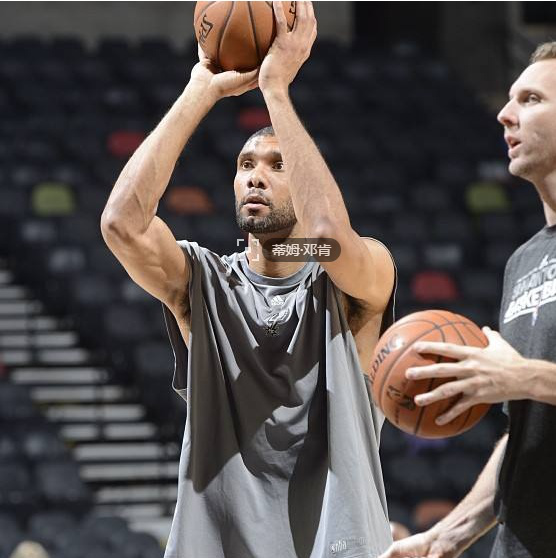
- 发球落点多样化是否上来、二发双误是否下降、长回合后的末局发球速度是否稳定;这些比单次极限速度更能说明“更强没”。
给球迷的预期:
- 短期可能保守发球与更耐心的组织,但如果负荷管理和技术细节处理到位,赛季中段常会看到发球得分率和保发率的回升,同时伤病复发率下降。
需要的话,我可以按“轻度/中度/不确定”三种情形,给一个具体的4周回归微周期(力量+场上+发球量化)的示例表,便于你跟进观察与解读比赛状态。